
Applications

Embroidery & sewing

Water-soluble PVA yarn and sewing thread can hold temporary seams, guides, or stitched constructions during production. Removal and its effect on the finished article depend on the material, construction, and actual wet-finishing conditions; verify them on a representative sample.

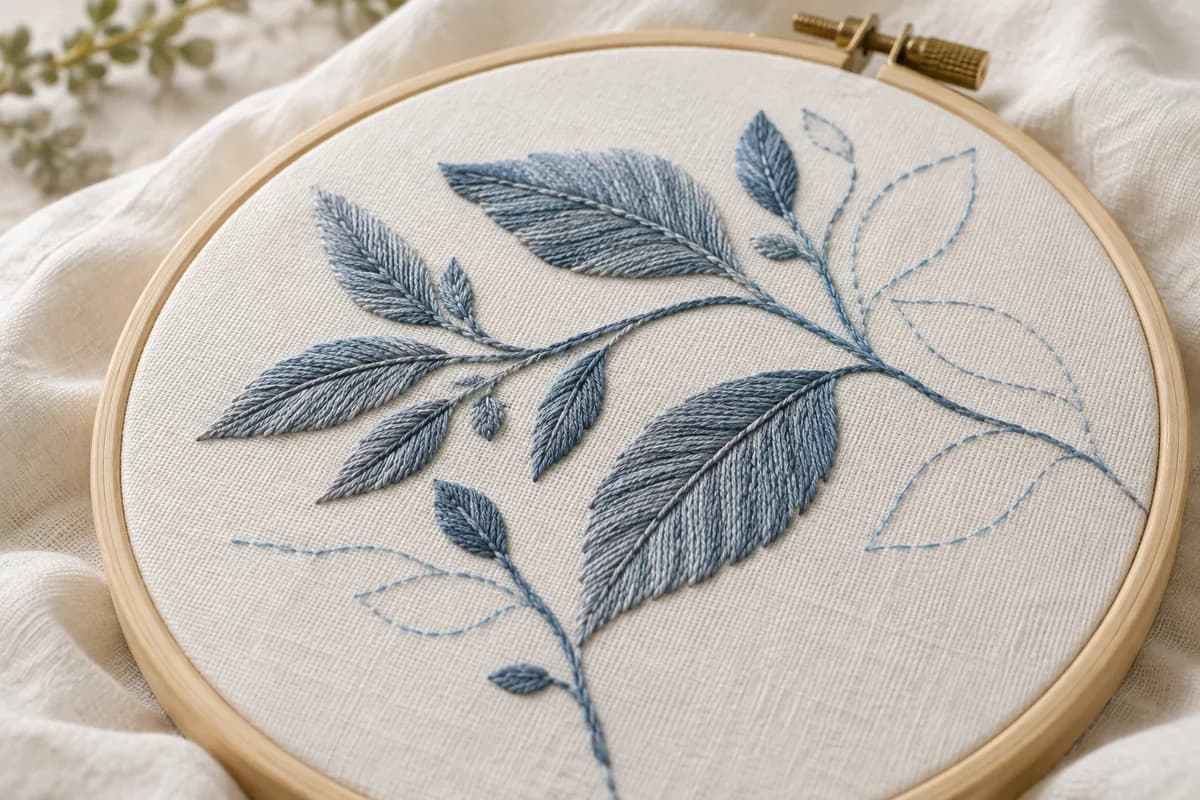
Botanical embroidery on fabric in a wooden hoop

The production problem

Embroidery lace, garment assembly and positioning operations need stitches that hold reliably through production but must not remain in the finished article. Breaking threads stop machines; permanent threads require manual removal that damages the product.
Where PVA sits in the process

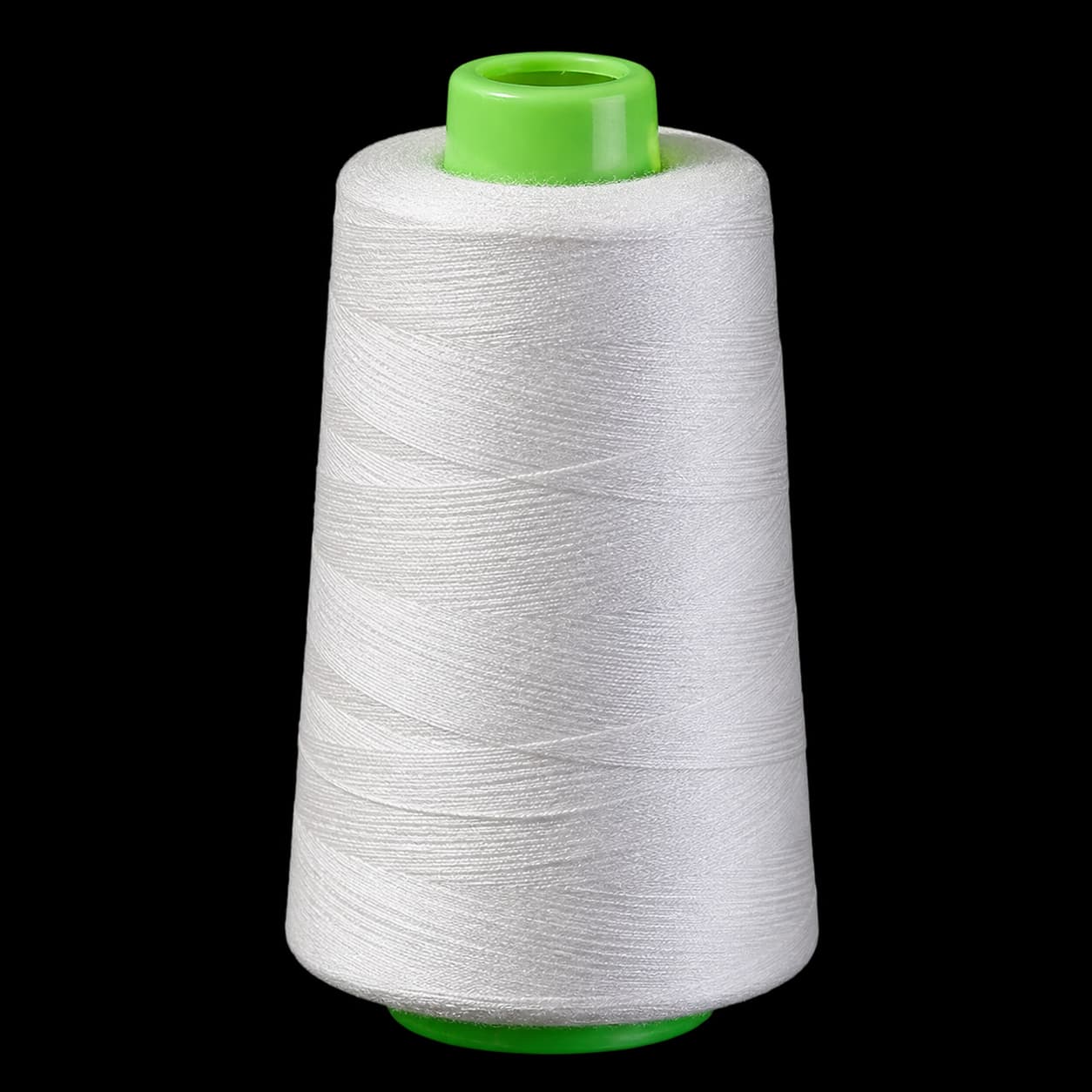
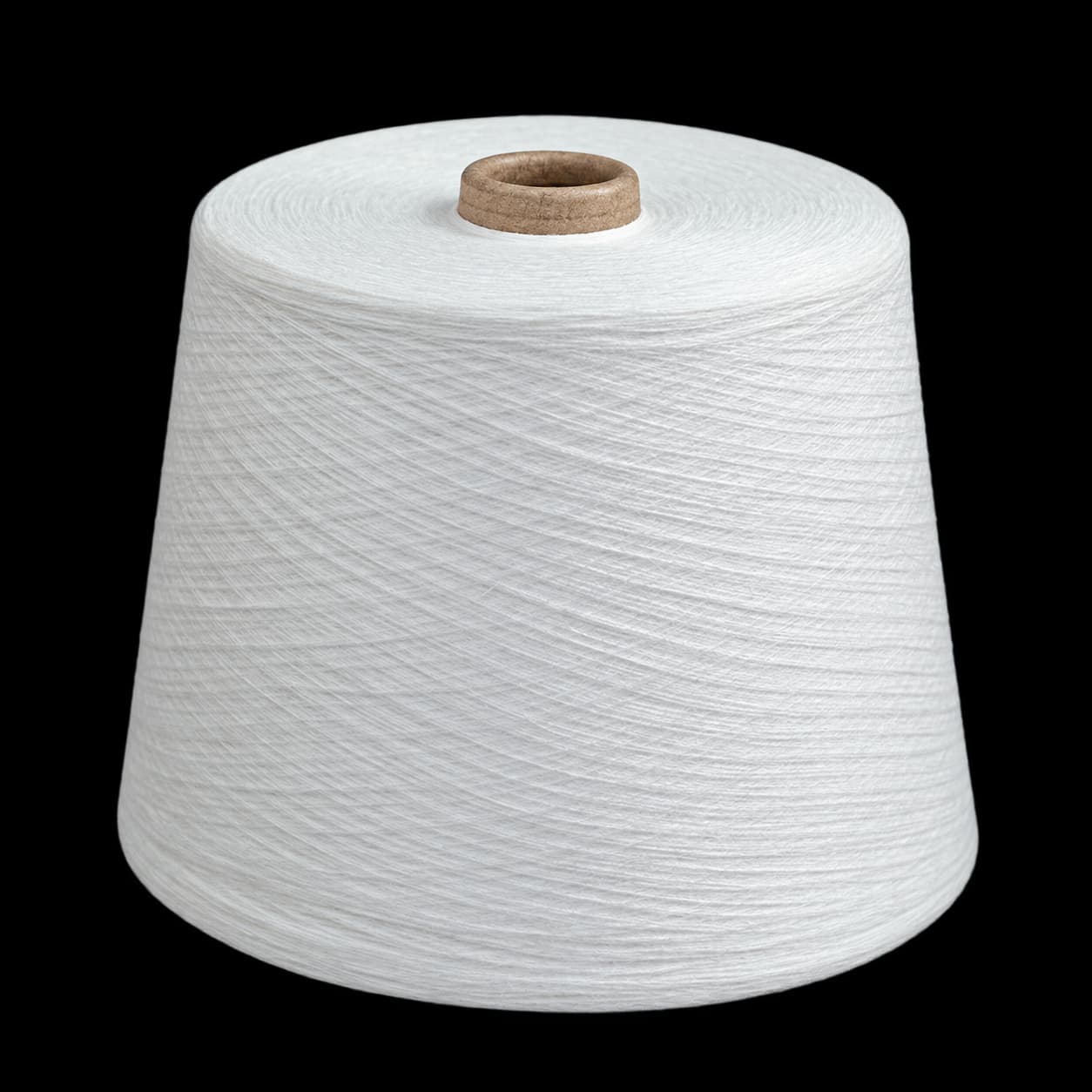
PVA sewing thread forms the temporary seam itself, while water-soluble yarn can act as a guide or supporting element in embroidery and lace constructions. Both remain in place through stitching, cutting and handling, then dissolve during the wet-finishing cycle.

Why a temporary material

The stitch or guide has finished its job once assembly or embroidery is complete. Removal must happen under the finished garment's safe temperature without dyeing, trims or decorative yarns being affected.

Relevant product forms

What determines the right material?

  • Thread count and ply for the sewing operation
  • Machine type, needle, stitch and seam construction
  • Operating speed and needle-heat exposure
  • Maximum safe water temperature for fabric, dyes and trims
  • Required endpoint: loss of seam strength or complete removal

Testing considerations

A loose-strand demonstration does not reproduce sewing conditions. Run the thread on the intended machine and seam, then test the complete sewn construction through the real finishing cycle, checking needle heat, tension, breakage and the cleanliness of removal.

Technical Resources

Recommended next step

Send your construction, removal conditions and acceptance criteria through the sample request — we will confirm a traceable sample and a written test method before any production discussion.