
Technical guide · Technical Resources
Papermaking with PVA Fiber: Binder or Removable Support?
First decide whether PVA fiber should remain in the sheet as a binder or reinforcing component, or be removed later as a sacrificial template. The trial and acceptance criteria differ by role.
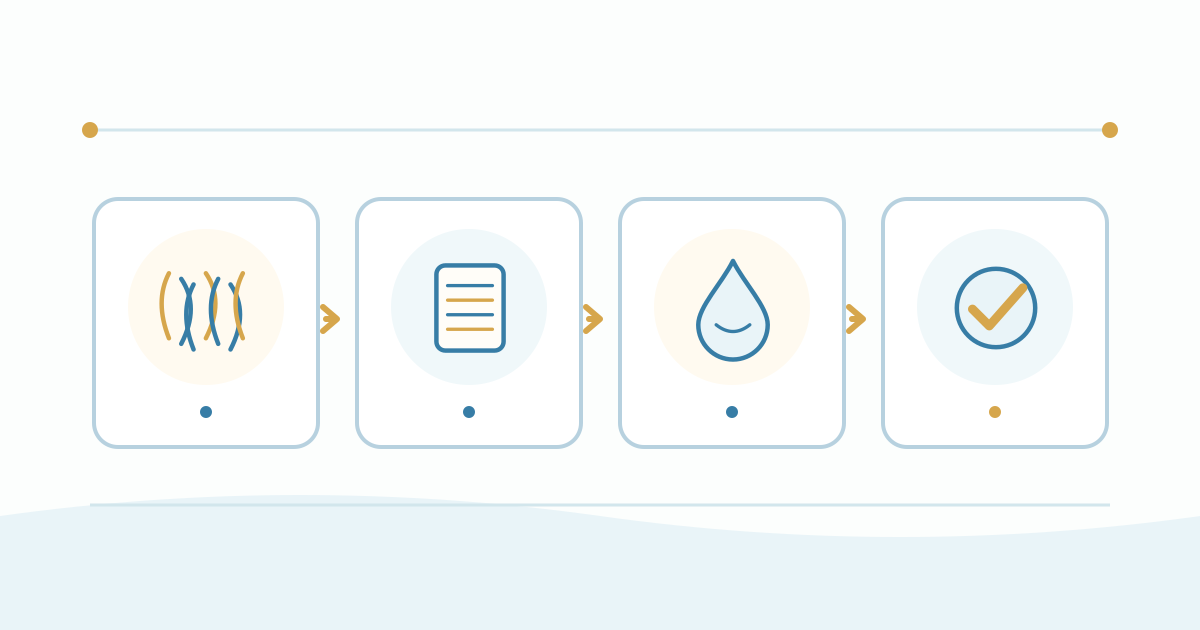
Choose the job before choosing the fiber
For papermaking, decide first whether PVA fiber should stay in the sheet as binder or reinforcement, or serve as a temporary template for later removal. These jobs need different trials and acceptance criteria. Binder fiber may swell and bond while partly retained; water contact does not mean it must dissolve. Specify removal only for a deliberately water-soluble fiber that can survive forming and drying before a planned downstream removal step.
“PVA” alone does not settle the choice. Fiber form, formulation, water conditions, furnish, and drying affect the outcome. Also distinguish cut binder fibers from powder or aqueous polyvinyl alcohol adhesive: both can bond, but enter the process differently and are not interchangeable.
Start by writing the intended function and final acceptance condition on the trial sheet. The company’s papermaking application overview can help frame the process conversation, while the PVA staple fiber page identifies the relevant fiber form for a sample discussion.
Separate retained binder from removable support
| Intended role | What should happen in the sheet | What to evaluate | Do not assume |
|---|---|---|---|
| Retained binder fiber | Disperses and bonds during the selected drying route | Formation, drainage, dry bond, surface and converting | It must wash out |
| Retained functional fiber | Remains in the finished sheet or web | Distribution, handling and required end-use property | All PVA has the same water response |
| Sacrificial support | Survives forming, then is removed at a planned step | Retention, selective removal, resulting pore or channel, sheet integrity | Process water removes it at the right stage |
| PVA solution or powder adhesive | Added dissolved or particulate to bond the furnish | Addition, retention, distribution, deposits and final bond | It behaves like cut binder fiber |
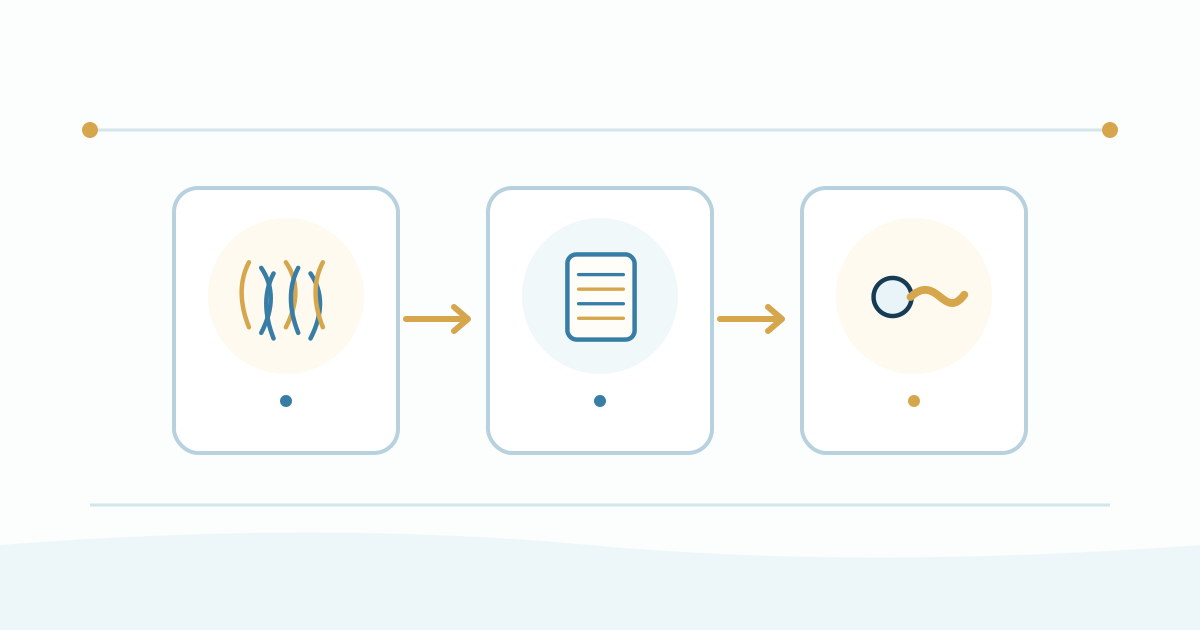
Choose the binder path when the sheet needs lasting fiber-to-fiber bonding. If removal should create a pore or passage, define that sacrificial path separately. Do not classify a binder as removable simply because it is PVA, or plan to wash out a fiber intended to reinforce the sheet.
Why binder fibers may swell without disappearing
Binder fiber must disperse in the wet furnish and help create contact between fibers as the web dries. Its useful response may be swelling, softening, or surface activation under a particular drying route, not full dissolution. Excess polymer in white water may affect drainage or redeposit on the sheet, so observe drainage, retention, and bond development together rather than relying on a “water-soluble” label.
A patent on PVA binder fibers for paper and nonwoven webs describes swelling followed by heat-assisted bonding, alongside a low-dissolution design. It helps distinguish swelling from removal, but its material and dryer conditions are patent-specific, not this trial’s product specification. See the PVA binder-fiber patent.
An older hand-sheet study used PVA adhesive with synthetic fibers and viscose rayon. It shows that adhesive form and furnish matter, but its manual method does not predict a modern paper machine or a particular staple fiber. Read the J-STAGE study on PVA adhesive in synthetic-fiber papermaking with that limit in mind.
Treat sacrificial fiber as a separate process design
A removable template has different acceptance criteria: it must survive stock preparation, forming, and drying, then respond to a planned removal condition without damaging the sheet. “Water-soluble” is not a process description. Specify when the removal medium is introduced, how heat or chemistry affects response, whether it reaches fiber inside the web, what leaves with it, and whether the remaining structure holds its shape.
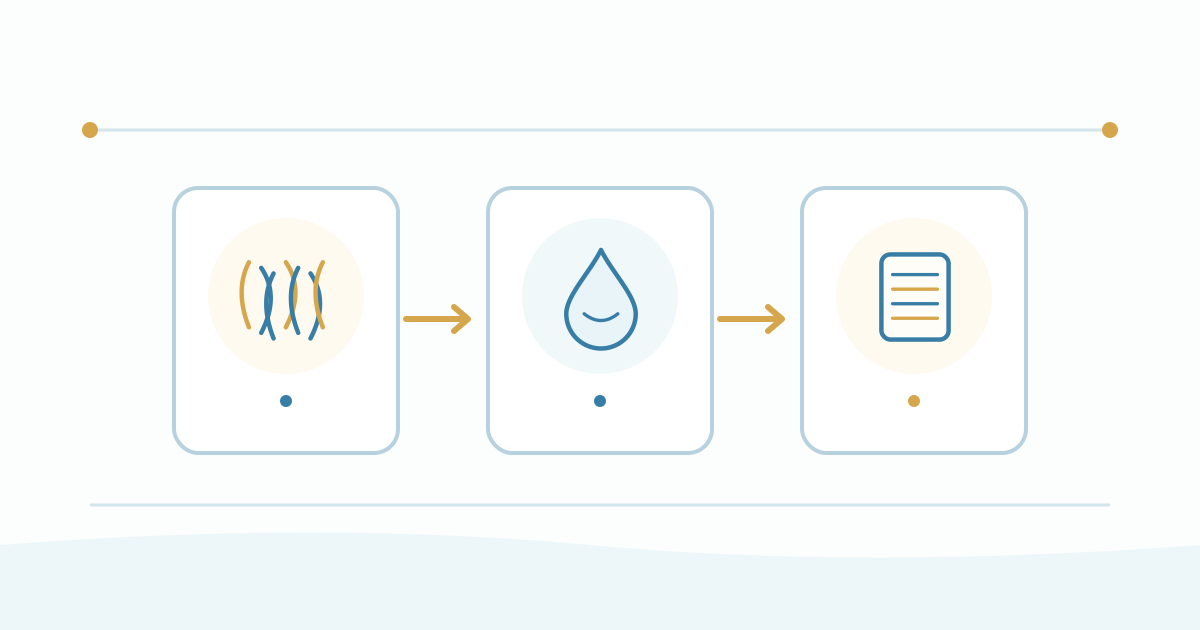
A patent describes PVA among the soluble fibers used as sacrificial templates in one transparent-paper impregnation process: fibers survive base-sheet formation and dissolve later to create channels. It illustrates sequencing, not a general recipe or a guarantee for every PVA fiber. See the transparent-paper sacrificial-channel patent.
Plan a staged mill or handsheet evaluation
Keep the first comparison narrow. Record fiber identity and form, furnish, addition point, mixing and dilution sequence, water condition, forming method, and drying history. Hold the base furnish and conditions steady for control and candidate. If a variable must change, log it as a separate condition. The sequence below is a proposed plan; the mill or laboratory sets its own methods and acceptance limits.
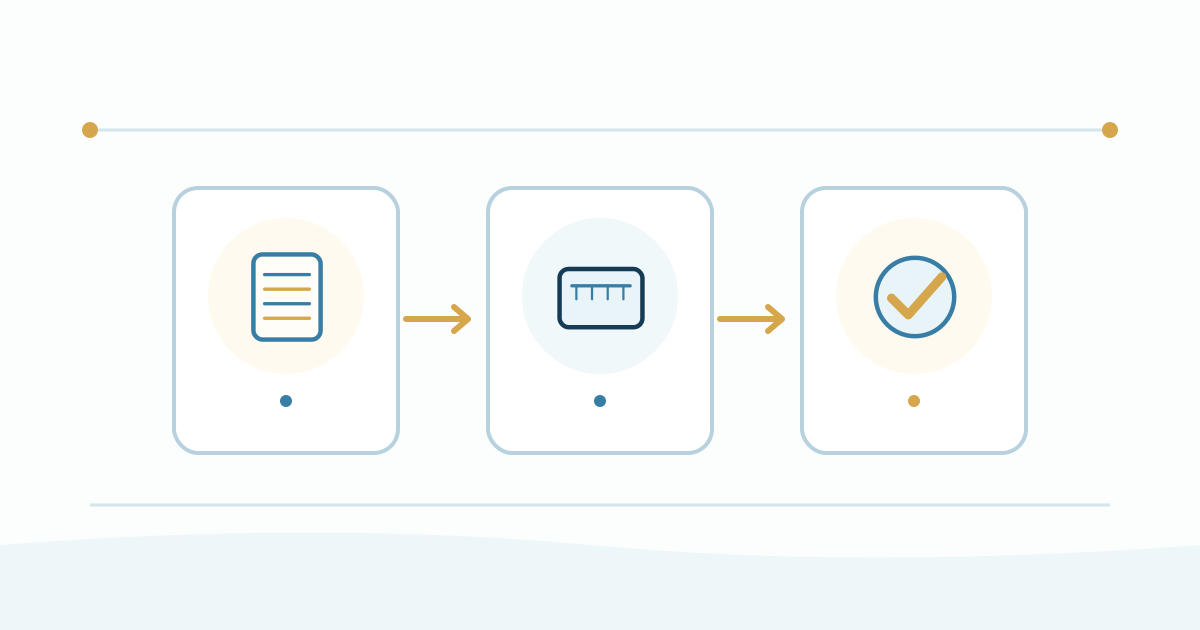
| Checkpoint | Record for each condition | Decision question |
|---|---|---|
| Role and identity | Intended role, fiber form, and supplier identification | Does the sample match the job? |
| Furnish preparation | Addition order, dilution, mixing, clumps, visible distribution | Can it be prepared consistently? |
| Wet forming | Sheet formation, drainage, carryover, visible deposits | Does it disturb forming or the wet end? |
| Drying and bonding | Drying route, handling, bond, surface, converting checks | Does the binder meet agreed criteria? |
| Removal, if specified | Removal stage, released material, residue, sheet integrity, feature | Is the component removed while the sheet holds? |
Judge binder against the finished paper’s use: converting, handling, surface, and product-team wet or dry strength needs. For sacrificial fiber, inspect before and after removal. Visible disappearance is not enough if the web tears, the intended channel closes, residue remains, or geometry changes. Set criteria before the run; record observations instead of borrowing values from unrelated sources.
Prepare the sample request around the process
For a sample discussion, share the paper grade and whether PVA should bond, remain as fiber, or be removed selectively. Include furnish, handsheet or machine-trial route, addition and drying sequence, acceptance properties, and relevant water, temperature, chemistry, and downstream treatment conditions.
Use the sample request form to describe the role and trial route, keeping a retained-binder inquiry distinct from a sacrificial-template inquiry.
Frequently asked questions
Does every PVA fiber dissolve in papermaking water?
No. Grades differ in formulation and water response. Some swell and bond while remaining in the sheet; selected grades may be intended for later removal. Verify the fiber and process conditions rather than inferring from the polymer name.
Should a PVA binder fiber be washed out after sheet formation?
Only if removal is part of the design. A binder is assessed for its contribution to the retained sheet; washing it out by default could contradict that role. Evaluate wet treatment against the product’s use and the fiber’s specified response.
Is PVA powder adhesive equivalent to PVA binder fiber?
No. They differ in form, addition, distribution, and interaction with furnish. A hand-sheet study examined PVA adhesive, but its findings do not directly establish behavior for a current fiber grade or machine process.
What should be agreed before a trial?
Agree on role, control, sequence, records, and acceptance criteria. For removable support, define the pre-removal state and required remaining structure. For binder, specify the sheet properties that matter and whether it should remain.