
Technical guide · Technical Resources
PVA Fiber in Wet-Laid Nonwovens: Trial Sequence and Material Roles
Select PVA for its intended role and insertion point: a furnish fiber, a retained binder, an adhesive solution, or a sacrificial support removed later. The trial must follow that sequence.
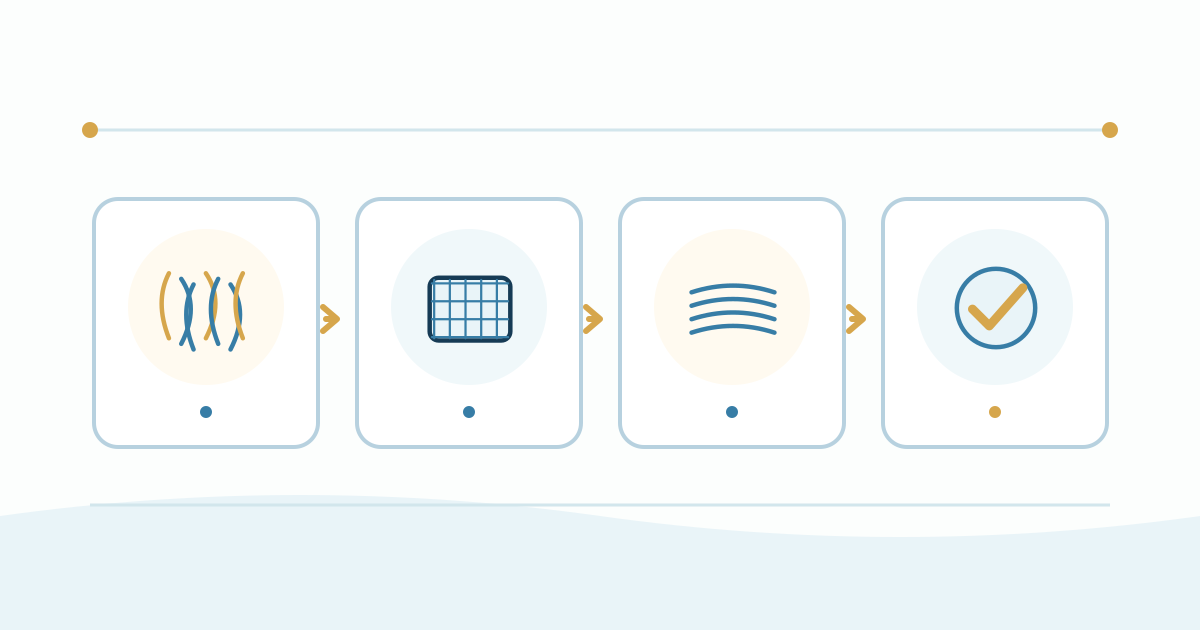
Define the PVA role and insertion point
For wet-laid nonwoven, choose PVA by role and addition point: furnish staple fiber, retained binder fiber, solution adhesive, or sacrificial support for later removal. Map process survival before trial. PVA grades differ in water response, and binder is not automatically washed out.
Wet-laid production suspends fibers, forms a web on mesh, then drains and dries it. Opening, dispersion, drainage, and bonding interact. If fiber and additive order change together, causes are unclear. Track the candidate, dispersant or flocculant, binder form, and removal objective separately.
For the fiber option, review the PVA staple fiber range alongside the company's papermaking application guide. Wet-laid nonwoven trials still need their own web-forming and end-use criteria.
Choose the function before comparing grades
| Material role | Where it enters | Primary trial question | What not to assume |
|---|---|---|---|
| Structural or blend fiber | Suspension and furnish preparation | Does it distribute and form the intended web? | That it will dissolve after forming |
| PVA binder fiber | Dispersed into the furnish before web formation | Does the dried web gain the required bond and retain quality? | That all binder fiber must be removed |
| PVA adhesive solution | At the defined furnish or web-treatment stage | Does the binder distribute, remain where needed, and bond after drying? | That a solution behaves like cut fiber |
| Sacrificial support fiber | Furnish, with a specified later removal step | Does it survive forming, then leave the intended web structure? | That any process-water contact removes it |
Retained binder and sacrificial fibers may both enter the furnish, but have opposing final roles. Binder should contribute at the agreed bonding stage and may remain. Sacrificial fiber must survive upstream handling, then respond downstream. State the difference in the sample description and acceptance criteria before comparing grades.
Sequence dispersion, formation, and bonding
Begin with the target furnish and water. Record fiber opening, addition and mixing order, dilution, and any dispersant or flocculant. Observe suspension uniformity and whether fibers collect, float, or pass through the screen. Record web formation and drainage before changing binder or drying. This locates problems in the sequence instead of attributing every defect to PVA.
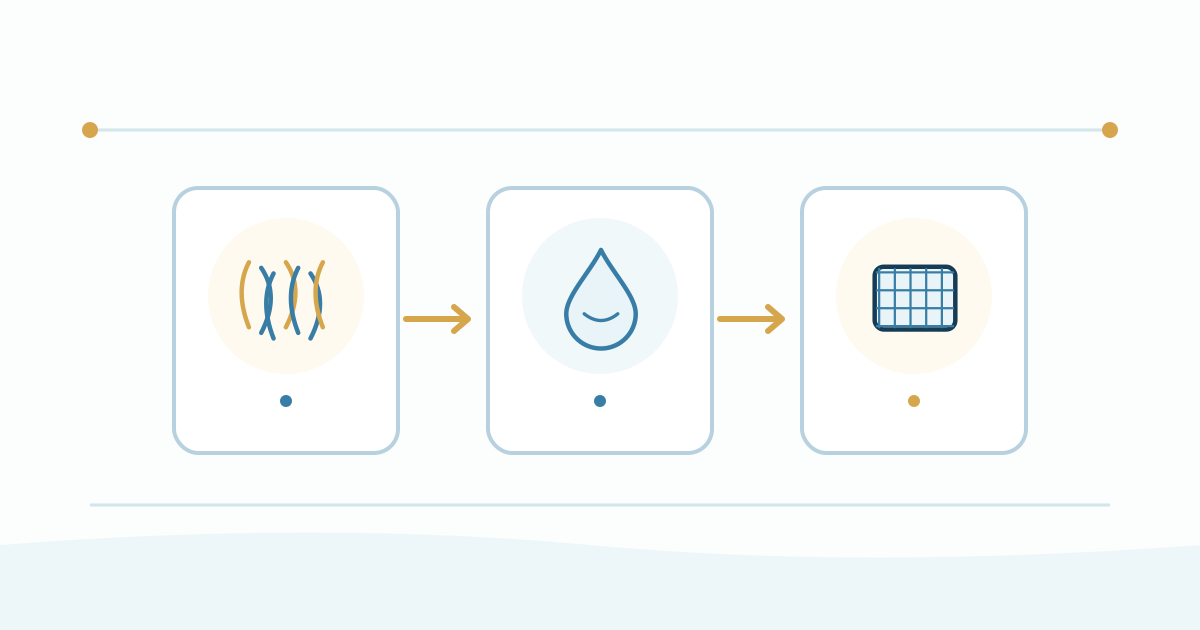
A peer-reviewed study of recycled glass-fiber/polyamide mats compares wet-laid processing with and without flocculant, dispersant, and PVOH binder. The authors report improved fiber distribution and fewer defects in that system. It supports tracking additive sequence, not performance of PVA staple fiber in other nonwovens. See the ORNL record of the wet-laid composite study.
After web formation, assess bonding separately. Binder fiber is in the furnish; solution binder may enter later. Record how drying, consolidation, or finishing affects bond and structure. If dispersion aid is needed, hold its addition point fixed while comparing binders; test sequence changes separately.
Treat solution binders and binder fibers as different materials
Wet-laid research may use PVA as dissolved binder rather than cut staple fiber. A solution can coat contacts or fill spaces during drying; a fiber has its own opening, length, and web distribution. Evidence for one route does not establish the other. In either case, confirm whether PVA should remain in the nonwoven.
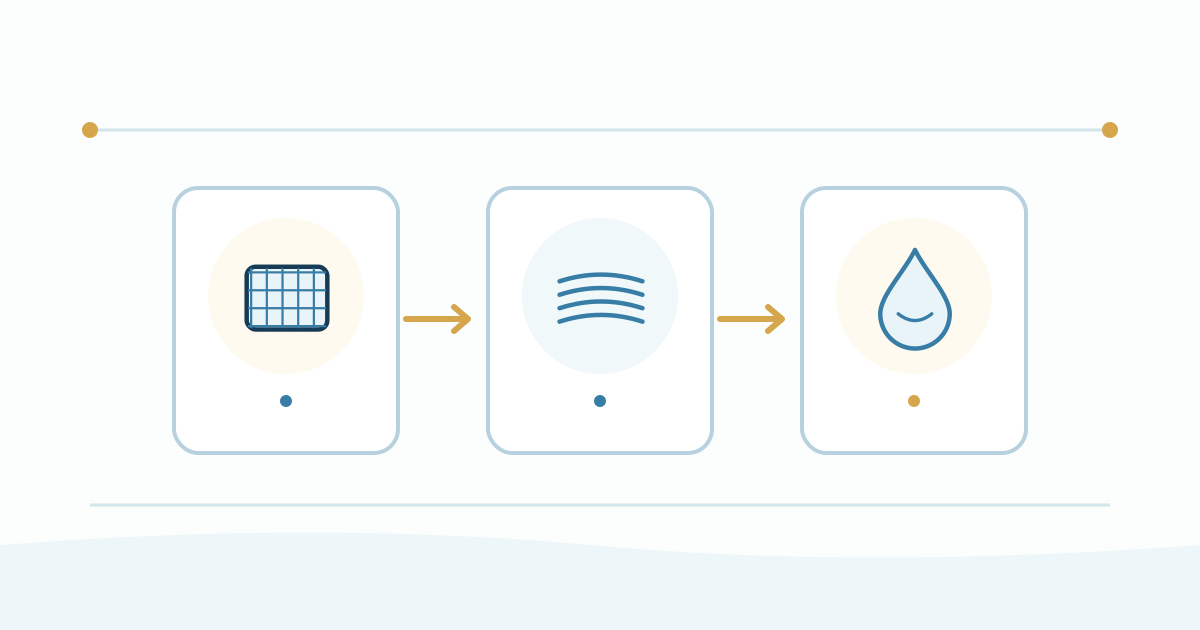
A recycled-carbon-fiber wet-laid study uses carboxymethyl cellulose as dispersant and PVA as binder. It supports separating dispersion and bonding roles, not claims about textile staple fiber. Read the study of dispersibility in recycled-carbon-fiber nonwovens.
A windmill-palm-fiber study used PVA binder solution in wet-laid materials and assessed application-specific properties. Its plant fibers and laboratory formulation do not define a PVA fiber grade or production recipe. See the publisher's windmill palm fiber/PVA wet-laid study.
Build a trial record around process stages
Where practical, use a control and candidate with the same furnish, mixing, screen, and drying route; log unavoidable changes separately. Before starting, define relevant web criteria such as uniformity, handling, bond, porosity, air flow, or converting. Choose product-specific metrics; this article sets no limits. The record below is a proposed plan, not company test data.
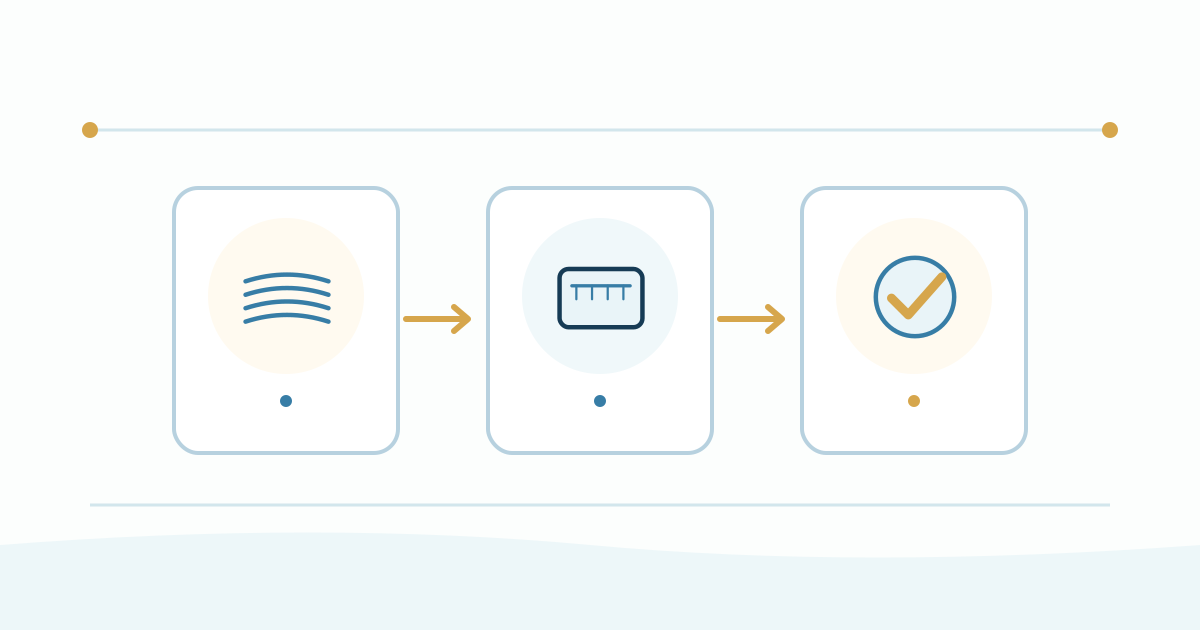
| Stage | Record | Decision question |
|---|---|---|
| Furnish and role | Fiber form, retention or removal goal, furnish, water, additives | Does it match the intended function? |
| Dispersion | Opening, addition order, mixing, clumps or settling | Is suspension ready for forming? |
| Web formation | Screen, formation, drainage, fiber loss, wet handling | Does it form without disruption? |
| Bond and drying | Binder form and point, drying route, bond, handling, surface | Does the web meet agreed criteria? |
| Removal, if intended | Stage, conditions, released matter, residue, final structure | Does the web remain intact? |
For binder, evaluate the dried nonwoven as it will be handled or converted; require complete removal only if specified. For sacrificial support, check process survival and the web afterward. Visible fiber loss is not enough if geometry changes, residue remains, or the web fails its end-use check. Agree pass criteria before trial.
Make the sample inquiry useful
When requesting a sample, share the nonwoven application, furnish components, wet-laid equipment or handsheet method, additive sequence, binder form, drying and consolidation stages, and the property that decides acceptance. State whether PVA must remain or be removed and at which step. Include relevant process water and downstream treatment conditions so a sample conversation can address fit without assuming a universal grade.
The technical-textiles application page gives broader context for selected technical webs. Use the sample request form to state the intended role, process sequence, and trial endpoint.
Frequently asked questions
Is PVA in a wet-laid nonwoven always a binder fiber?
No. It may be a cut fiber mixed into the furnish, a dissolved binder, a retained functional component, or a selected sacrificial support. Confirm the material form and intended final role before planning the trial.
Should PVA binder be removed after drying?
Not by default. A binder is often included to remain and contribute to bonding. Evaluate removal only when a specific water-responsive grade and downstream removal step are part of the product design.
Why test dispersion before bond strength?
Poor opening or distribution can change web formation and create local variation. Record suspension and drainage behavior first so a later bond result can be interpreted against the web that actually formed.
What should a nonwoven sample trial compare?
Use a control and candidate with the furnish and process sequence held steady where practical. Record dispersion, formation, drainage, drying, bond, and the finished property that matters. For removable support, add a defined removal stage and post-removal inspection.