03 / Kesikli elyaf
PVA Kesikli Elyaf
PVA kesik elyafı; dağılım veya kontrollü uzaklaştırma gereken tekstil, dokusuz kumaş ve belirli teknik uygulamalar için kısa kesim formlarında sunulur.
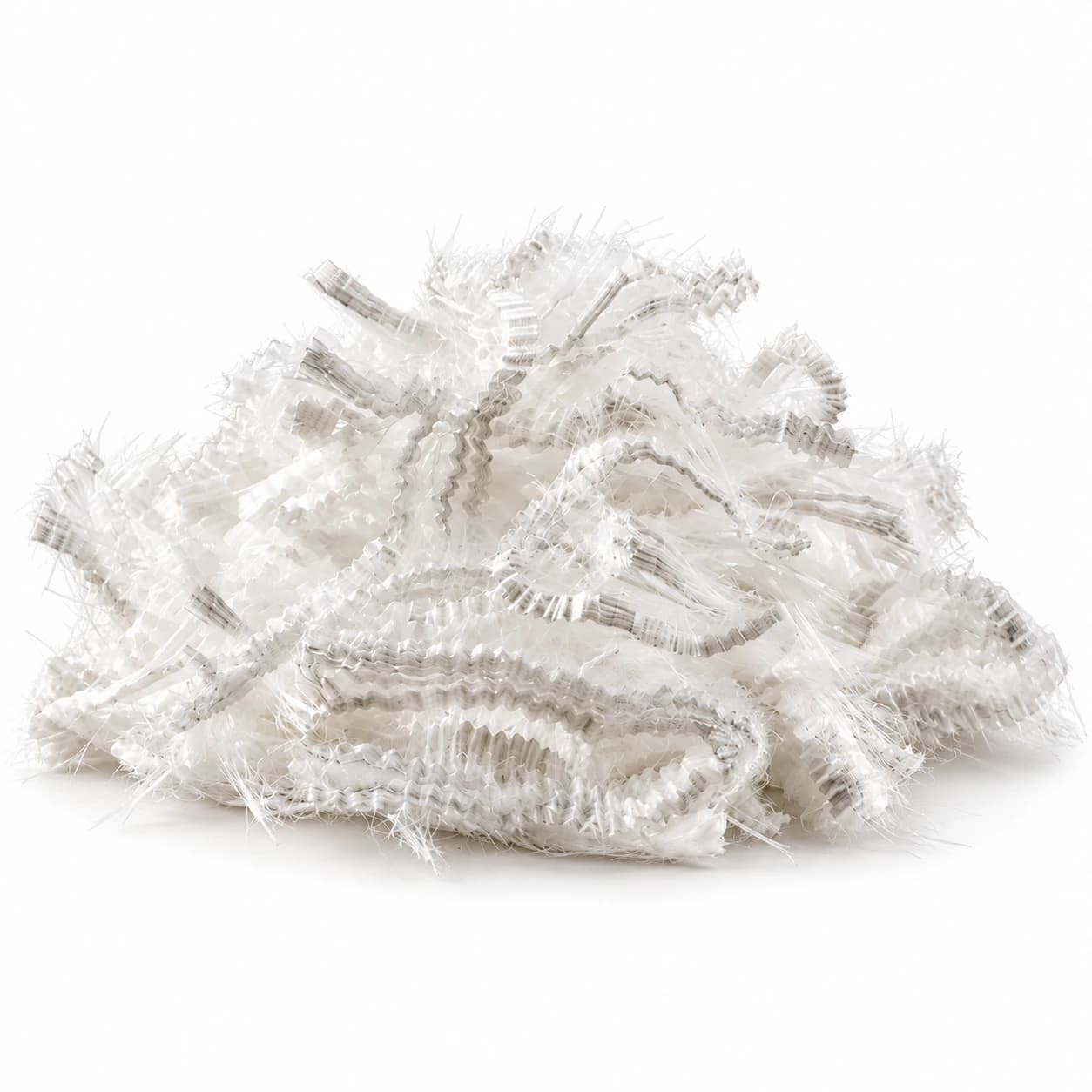
Karışım ve tekstil desteği için kıvrımlı lifler.
Uygulamanız için spesifikasyonu bulun.
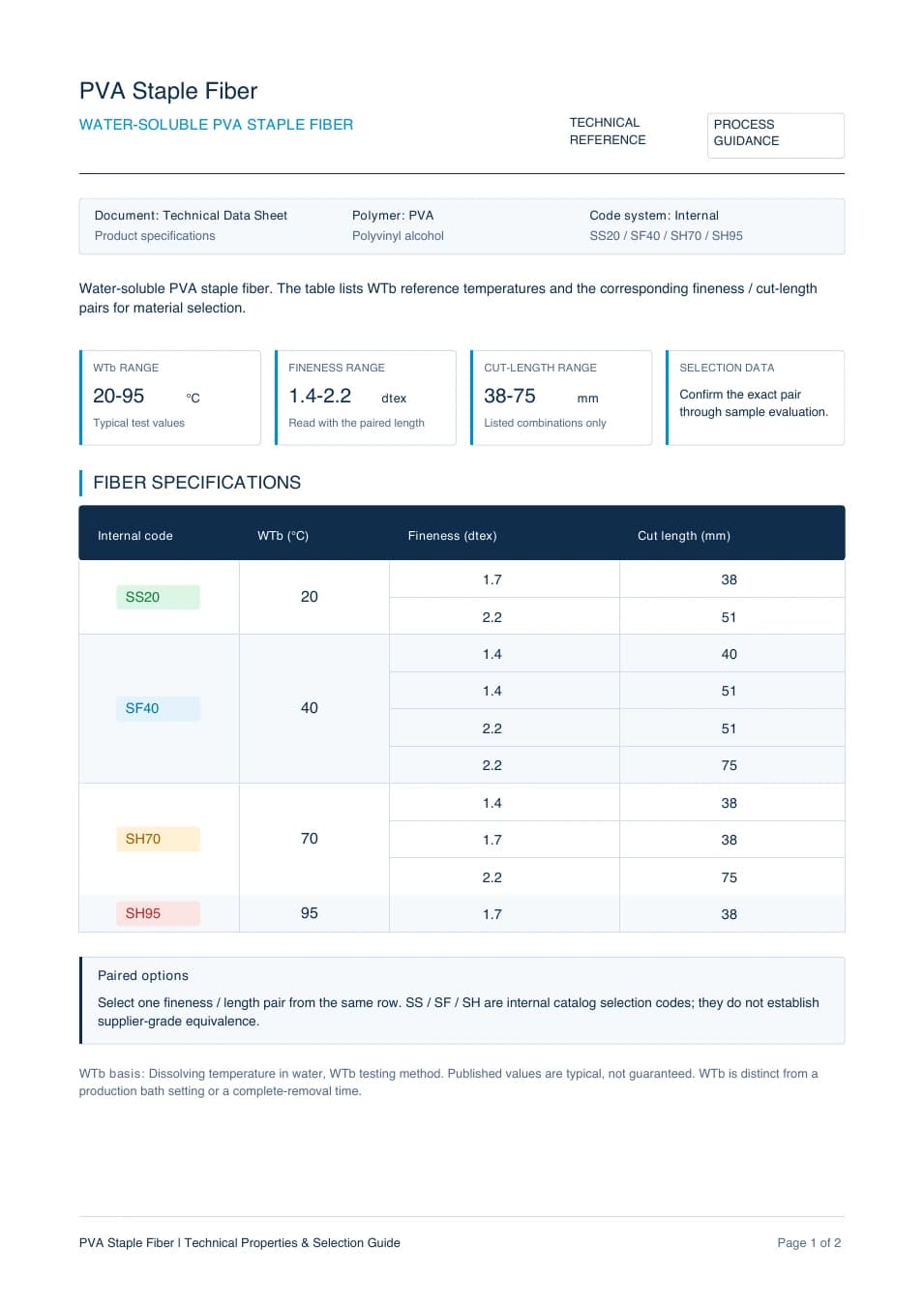
Numune veya fiyat teklifi talebinize eklemek için bir sınıf ve boyut seçin.
SeçiminizSS20 · 1.7 dtex × 38 mm · WTb 20°C
Spesifikasyonlar ve teknik kılavuz
Teknik genel bakış
PVA kesik elyafı; dağılım veya kontrollü uzaklaştırma gereken tekstil, dokusuz kumaş ve belirli teknik uygulamalar için kısa kesim formlarında sunulur.
PVA kesik elyafı, prosesin sürekli iplik akışı yerine karıştırma, taraklama, dağıtma veya tabaka oluşturma gerektirdiği durumlarda kullanılan süreksiz bir malzeme biçimidir. Uzunluk, incelik, yüzey durumu ve su davranışı açılmayı, dağılımı ve sonraki performansı etkiler; bu nedenle malzeme gerçek ekipman ve formülasyona uydurulmalıdır.
Three Thai, tekstil, dokusuz yüzey, kâğıt üretimi ve seçili diğer teknik proseslerde kullanılmak üzere kesikli PVA elyafı tedarik eder. Tek bir kaliteyi tüm uygulamalara uygunmuş gibi sunmuyoruz. Güncel teknik özellikler ve numune temin durumu teyit edilmeden önce hedeflenen hamur bileşimi veya elyaf harmanı, proses suyu, işlem sırasındaki sıcaklık geçmişi, katkı maddeleri ve bitmiş malzemede aranan özellik değerlendirilir.
Tipik uygulamalar
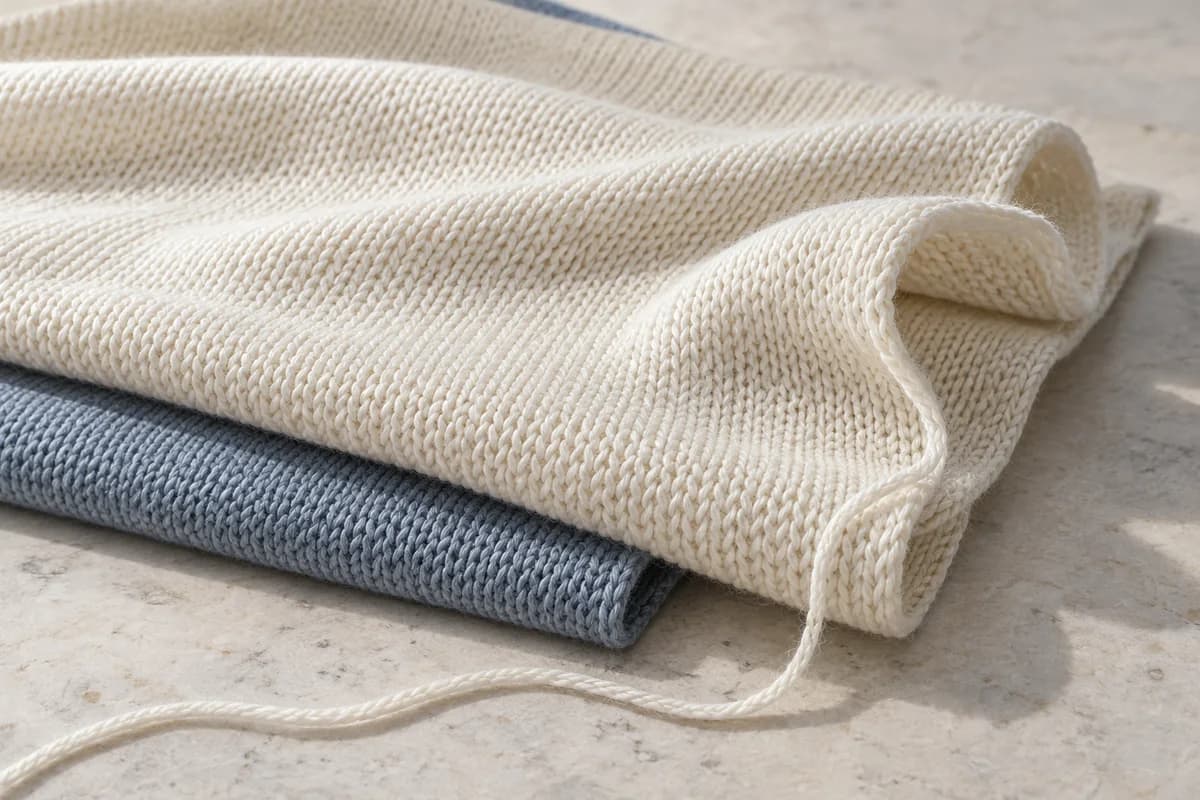
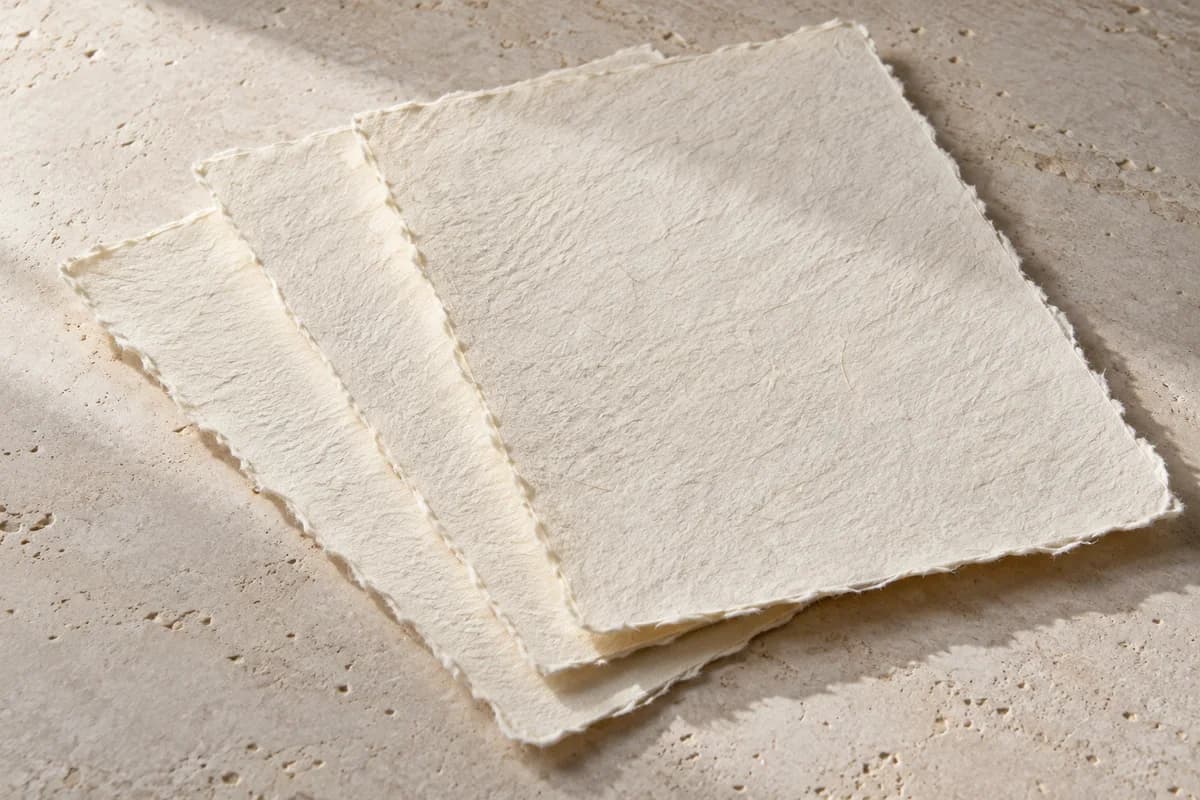
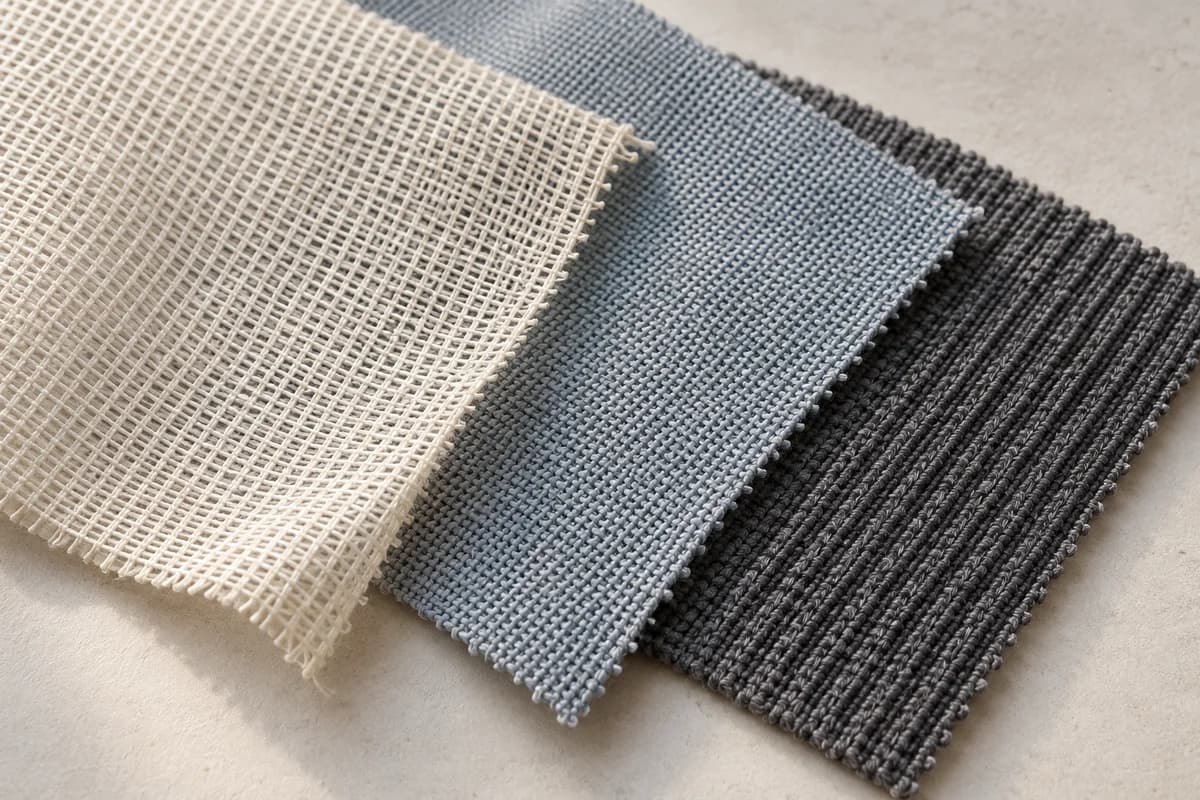
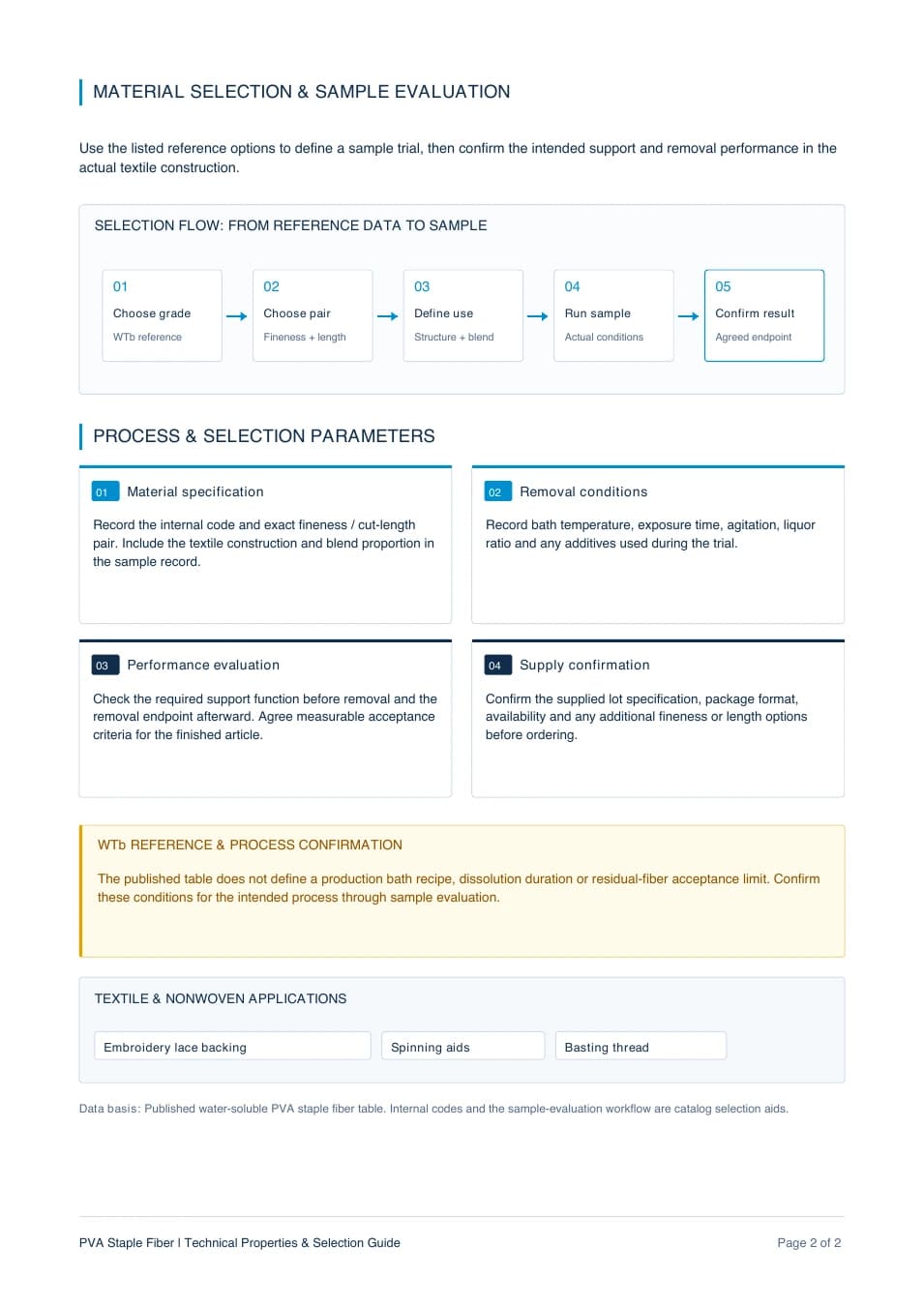
Proses kılavuzu
Gereksinimden tekrarlanabilir tedarike
Malzeme sisteminden başlayın
Diğer elyaf veya hammaddeleri, karışım oranını, katkıları, pH değerini ve bileşenlerin prosese giriş sırasını açıklayın.
İşlenebilirliği ve dağılımı değerlendirin
Üretimi temsil eden karıştırma veya şekillendirme koşullarında açılmayı, beslemeyi, dağılmayı, flokülasyonu ve uyumluluğu kontrol edin.
İlgili bitmiş ürün özelliğini ölçün
Numuneyi yalnızca serbest lifin görünüşüne göre değil, uygulama için önemli olan tekstil, dokusuz yüzey veya kâğıt özelliğine göre onaylayın.
Üretim ve kalite kontrol kanıtları
Harman-hallaçtan otomatik bobinlemeye uzanan entegre iplik eğirme hattında, parti bazında kalite kontrolüyle üretilir. Üretim tesisi, ekipman ve sertifika belgeleri için üretim ve kalite sayfalarına bakın.
İlgili teknik kaynaklar
- PVA kesikli elyafı, filament veya iplik: malzeme formu nasıl seçilir
- Triko ürünler için suda çözünebilen PVA elyafını nasıl seçerim?
- Kâğıt üretimi için PVA elyafını nasıl tedarik edebilirim?
- Endüstriyel kullanım için yüksek mukavemetli PVA elyafını nasıl tedarik edebilirim?
- Nonwoven üretimi için PVA suda çözünebilen elyafı nasıl seçebilirim?
Ürün hakkında sık sorulan sorular
Hangi boyutlar belirtilmelidir?
Prosesle ilgili elyaf uzunluğu, incelik ve toleransın yanı sıra yüzey, nem, ambalaj veya dispersibilite gereksinimlerini birlikte belirtin.
Bir elyaf katalog fotoğrafından seçilebilir mi?
Hayır. Görünüşte benzer lifler açma, dispersiyon ve ıslak proses sırasında farklı davranabilir. Kontrollü bir uygulama denemesi gerekir.
Beton için PVA elyafı tedarik ediyor musunuz?
Hayır. Beton için PVA elyafı mevcut ürün yelpazemizde yer almıyor. Şu anki odağımız tekstil, nonwoven, kâğıt üretimi ve seçilmiş uyumlu teknik proseslerdir.
Bu kalite için numune ister misiniz?
Numara, konstrüksiyon ve giderme koşullarını gönderin — izlenebilir bir numune spesifikasyonu doğrulayalım.