
Applications

Papermaking

Short-cut PVA fibers are matched to furnish, dispersion and target paper properties — strengthening sheets or forming sacrificial pores that dissolve after processing.

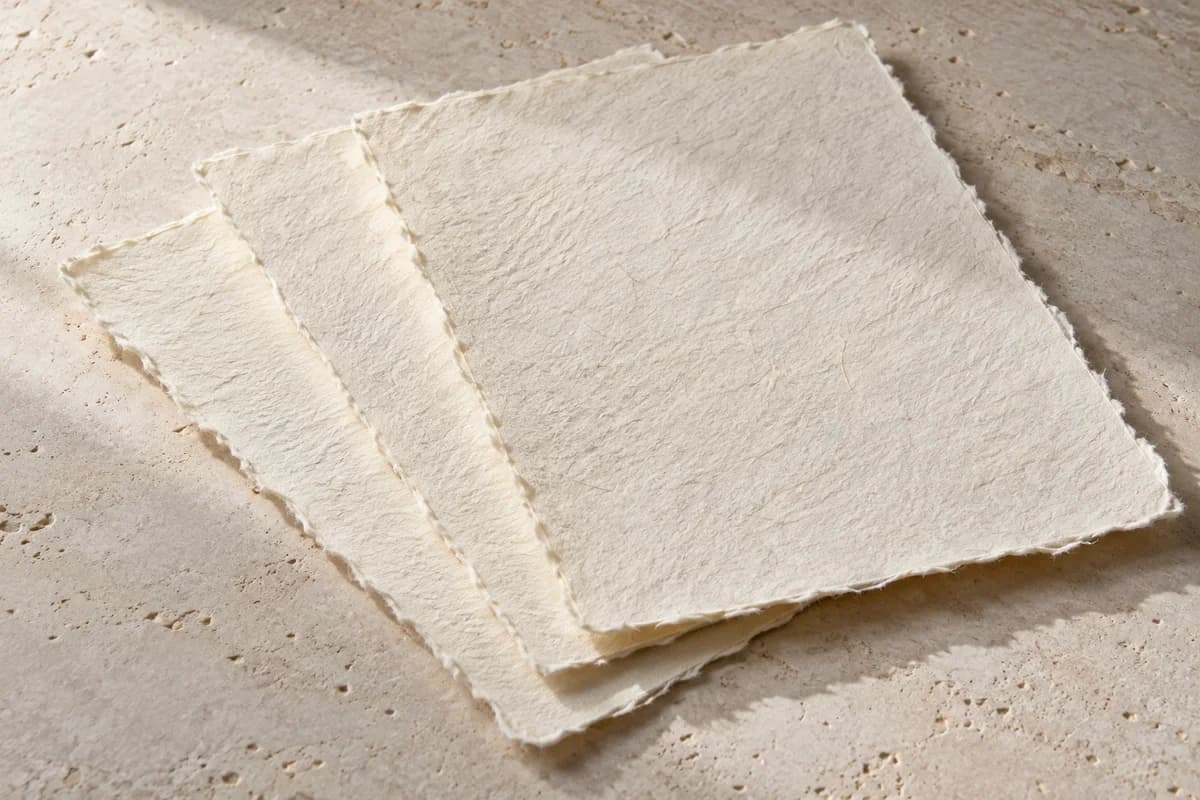
Textured paper sheets with deckled edges

The production problem

Paper and specialty nonwoven sheets need additive fibers that disperse evenly in water-based furnish. Poor dispersion creates flocculation and sheet defects, and the fiber must either bond permanently or leave the sheet at a defined stage.
Where PVA sits in the process

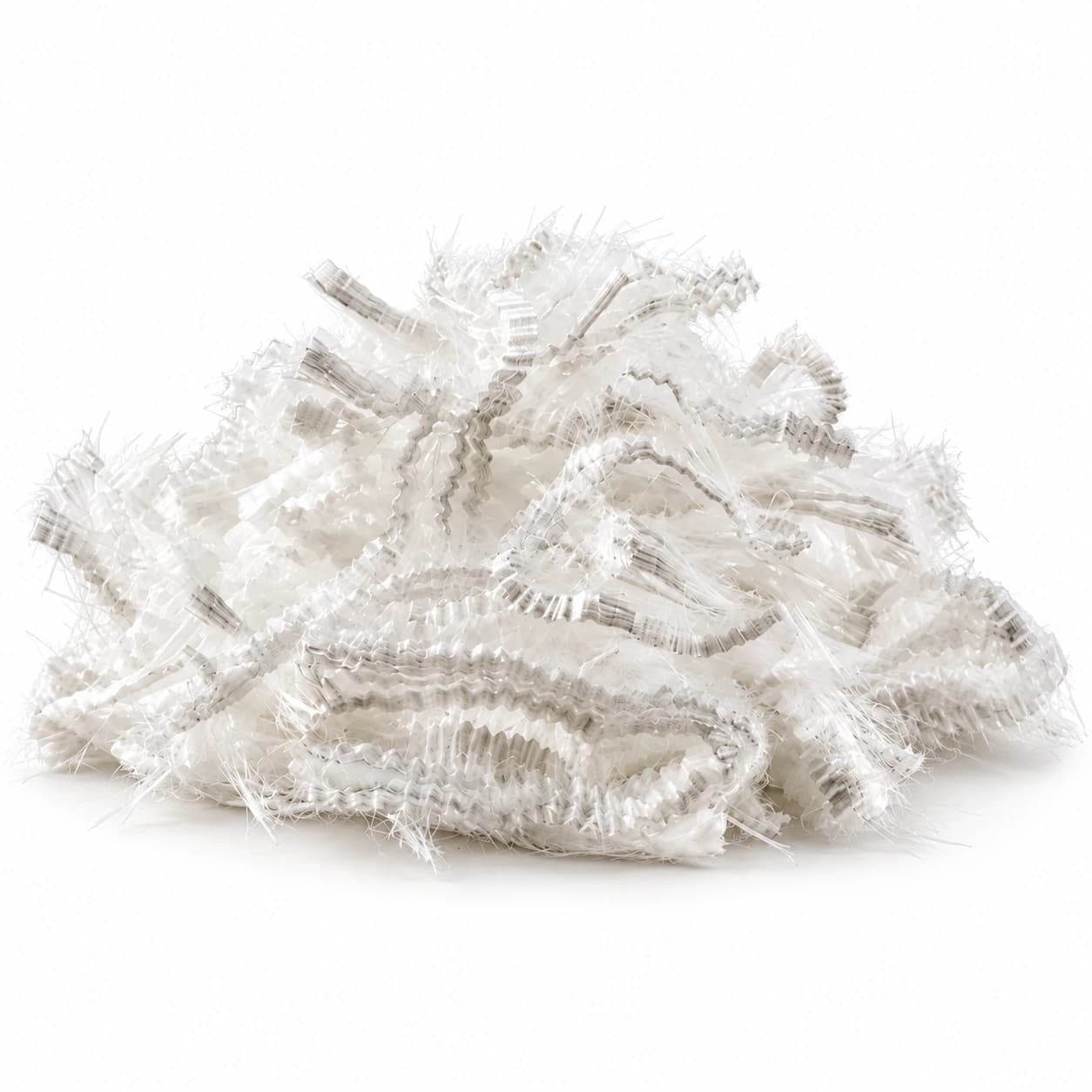
PVA staple fiber is dosed into the furnish with the pulp blend. Length, fineness and surface condition control opening, distribution and bonding; water-soluble grades can later dissolve to create porosity or release a structured sheet.

Why a temporary material

Some grades must remain and reinforce the sheet; others exist to be removed — leaving pores or releasing a layer during processing. The required water behavior, not the product name, decides which grade fits.

Relevant product forms

What determines the right material?

  • Fiber length and fineness (e.g. 2 dtex formats used in our catalog)
  • Furnish composition, additives, pH and water conditions
  • Dispersion and flocculation behavior in the mixing sequence
  • Water-soluble or retention requirement of the grade
  • Target paper property and approved dosage

Testing considerations

Evaluate opening, distribution and compatibility under production-representative mixing, then measure the paper property that matters — strength, porosity or release — and record the approved dosage and process conditions.

Technical Resources

Recommended next step

Send your construction, removal conditions and acceptance criteria through the sample request — we will confirm a traceable sample and a written test method before any production discussion.