
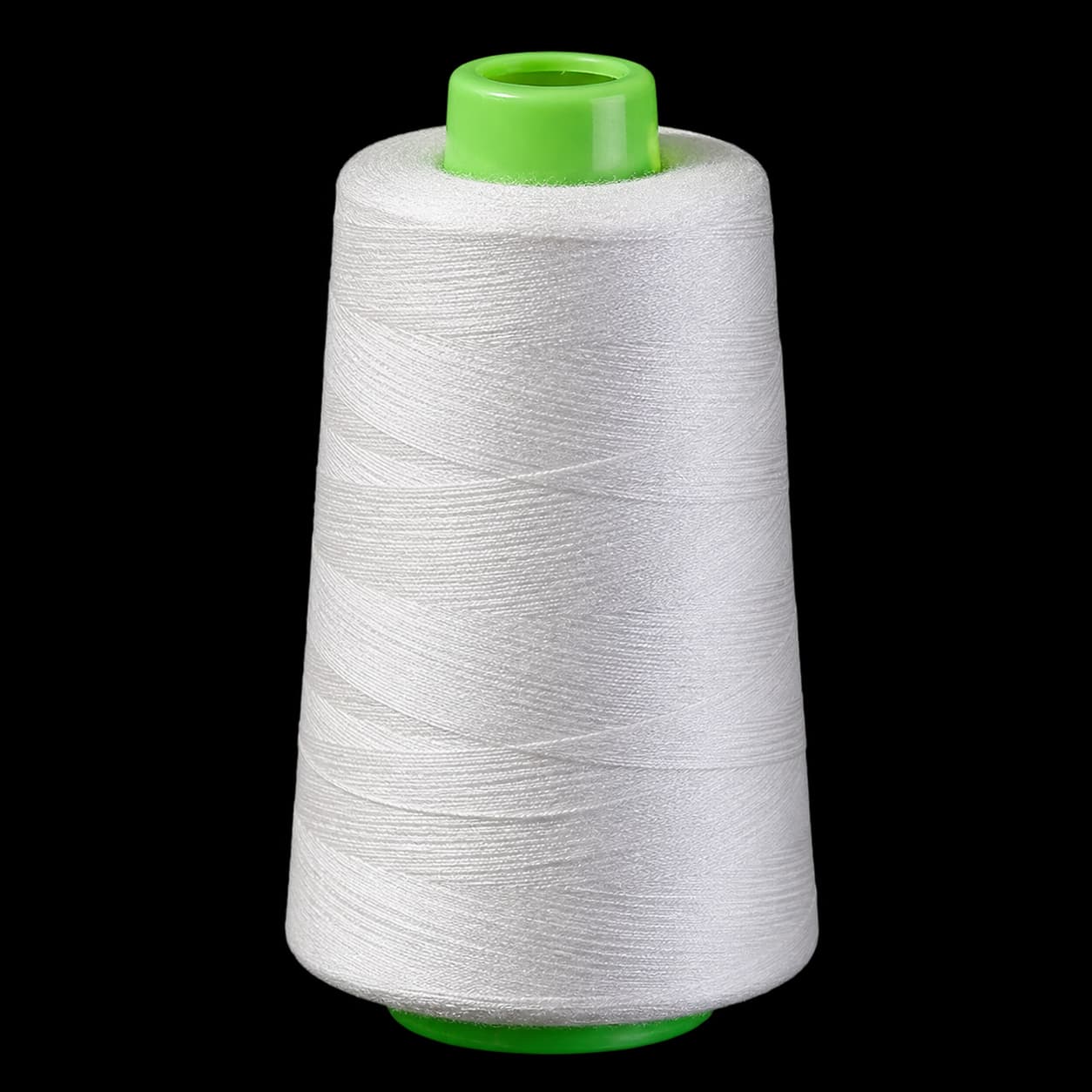
02 / Sewing thread
Water-Soluble PVA Sewing Thread
Water-soluble PVA sewing thread provides seam integrity during production and is designed for removal under defined wet-finishing conditions.
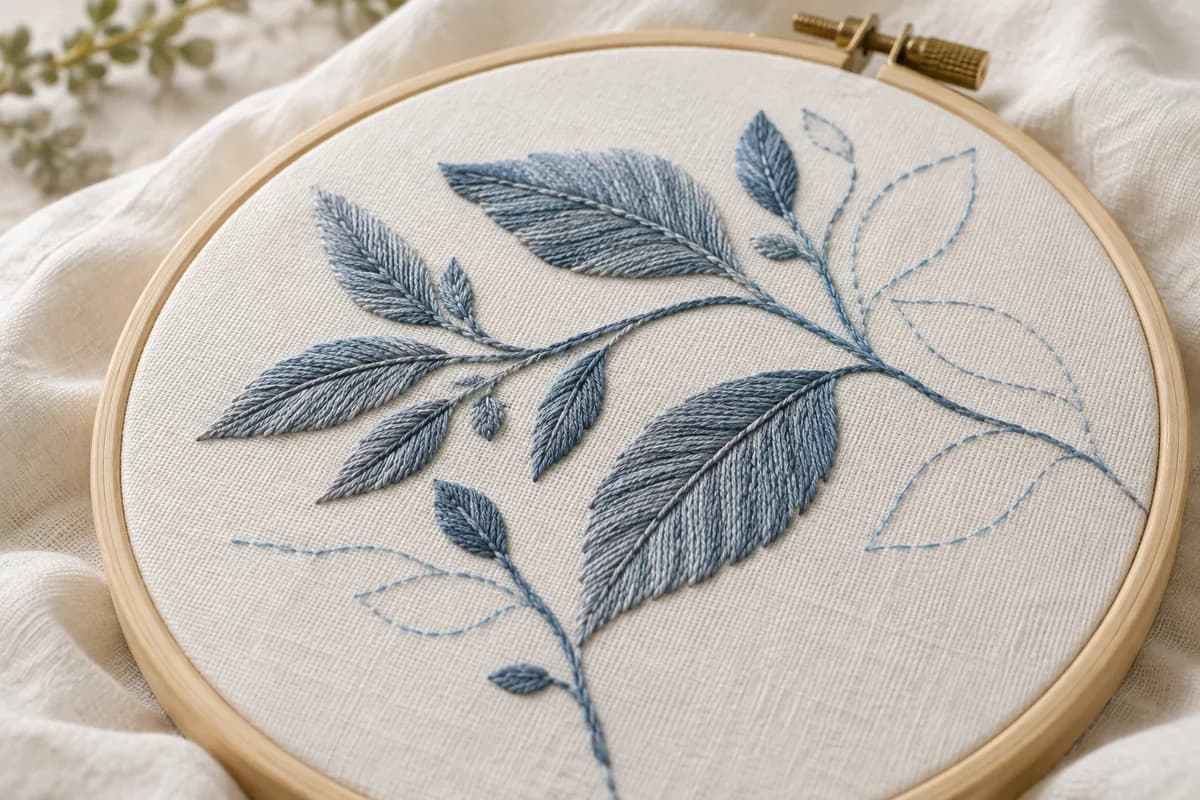
Temporary seams, basting and embroidery.
Find the specification for your application.
Choose a grade and size to include with your sample or quotation request.
Your selectionSS20 · 20s/2 sewing thread · process target 20°C
Technical reference
SS / SF / SH are internal catalog designations, grouped by process target temperature.
20°C
SS20process target 20°C
Size / constructionRequest a Sample40°C
SF40process target 40°C
Size / constructionRequest a Sample
| Grade / process option | Temperature / condition | Size / construction | Request a Sample |
|---|---|---|---|
| 20°CSS20 | process target 20°C | 20s/2 sewing thread | Request a Sample |
| 20s/8 sewing thread | Request a Sample | ||
| 40s/2 sewing thread | Request a Sample | ||
| 50s/2 sewing thread | Request a Sample | ||
| 40°CSF40 | process target 40°C | 40s/2 sewing thread | Request a Sample |
Technical overview
Water-soluble PVA sewing thread provides seam integrity during production and is designed for removal under defined wet-finishing conditions.
PVA sewing thread is selected for temporary seams, positioning and assembly operations that need reliable stitching during production but no permanent thread in the finished article. The thread must balance needle performance, loop formation and temporary seam strength with a removal cycle compatible with the garment, embroidery or textile construction.
A loose-thread demonstration does not reproduce actual sewing conditions. Stitch density, seam type, needle heat, machine speed, package format and surrounding materials all influence performance. We review those conditions before proposing a sample and recommend testing the complete sewn construction through the intended wet-finishing sequence.
Typical applications
Process guide
From requirement to repeatable supply
Describe the sewing operation
Provide machine type, needle, stitch and seam construction, operating speed and the failure mode that must be avoided during production.
Define removal without damaging the article
Specify the maximum safe water temperature for the fabric, dyes and trims together with cycle time, agitation and the required residual condition.
Lock the commercial specification
After a successful trial, record count, ply, finish, package size, labeling, test method and acceptance criteria so the production order follows the approved sample.
Manufacturing & QC evidence
Produced on an integrated spinning line (blow room through automatic winding) with batch-level QC. See manufacturing and quality pages for the production base, equipment and certification documents.
Related technical resources
- How to Remove Temporary PVA Sewing Thread—and How It Differs from Yarn
- Water-Soluble Sewing Thread: What It Is, How It Works and Where It Is Used
- How do I select a reliable OEM factory for PVA water-soluble sewing thread?
- What is the minimum order quantity for PVA water-soluble thread?
- Is PVA water-soluble thread biodegradable for fashion applications?
- How is PVA sewing thread used for temporary stitching in garments?
Product FAQ
Is water-soluble sewing thread the same as embroidery backing?
No. Thread creates stitches while films, fabrics or nonwovens provide broader support. The correct material depends on the temporary function and removal route.
Why can a thread break even when its tensile result is acceptable?
Needle conditions, guides, tension, speed, package unwinding and seam design can create stresses that a laboratory tensile number does not reproduce.
What information is needed for OEM packaging?
Include package type and size, net weight, label language, carton requirements, artwork approval and any destination-specific marks.
Need this grade sampled?
Send your count, construction and removal conditions — we will confirm a traceable sample specification.